Categories
Change

Time and The Present Moment

The Metaphysics of Time: Why Now Is More Powerful Than Past or Future

Time is usually described as linear—a straight line moving from past to present to future. Clocks reinforce this idea, calendars organize it, and daily routines depend on it. Yet metaphysics invites a much deeper question: what if time is not something we move through, but something we actively relate to through consciousness?


From this perspective, the past is not erased. It lives on as memory, pattern, and meaning. Experiences don’t disappear just because moments pass; they become encoded in the way we perceive the present. Likewise, the future is not a distant destination waiting to arrive. It is a field of potential, continually shaped by choices, beliefs, and attention in the now.

The present moment, then, is not a fleeting slice between what was and what will be. It is the only point where awareness can act. Change does not occur in the past or the future—it occurs in how we meet this moment. When perception shifts, your entire relationship with time shifts alongside it.

Metaphysical traditions across cultures echo this insight. Whether expressed through mysticism, philosophy, or modern interpretations of consciousness, the message is the same: time responds to awareness. When attention becomes intentional, patterns loosen. When presence deepens, new possibilities emerge without force or urgency.

This does not mean time stops or loses practical meaning. Instead, it gains depth. The more conscious the present moment becomes, the less bound we feel by regret or anticipation. We stop being pulled backward by memory or pushed forward by fear and begin to experience time as a dynamic, creative field.

In this way, the metaphysics of time is not abstract theory—it is practical wisdom. It reminds us that transformation is not waiting somewhere ahead of us. It is available now, in the quality of attention we bring to this very moment. It is now.

Dr. Yaz Headley

Categories
Change

How Therapy Helps

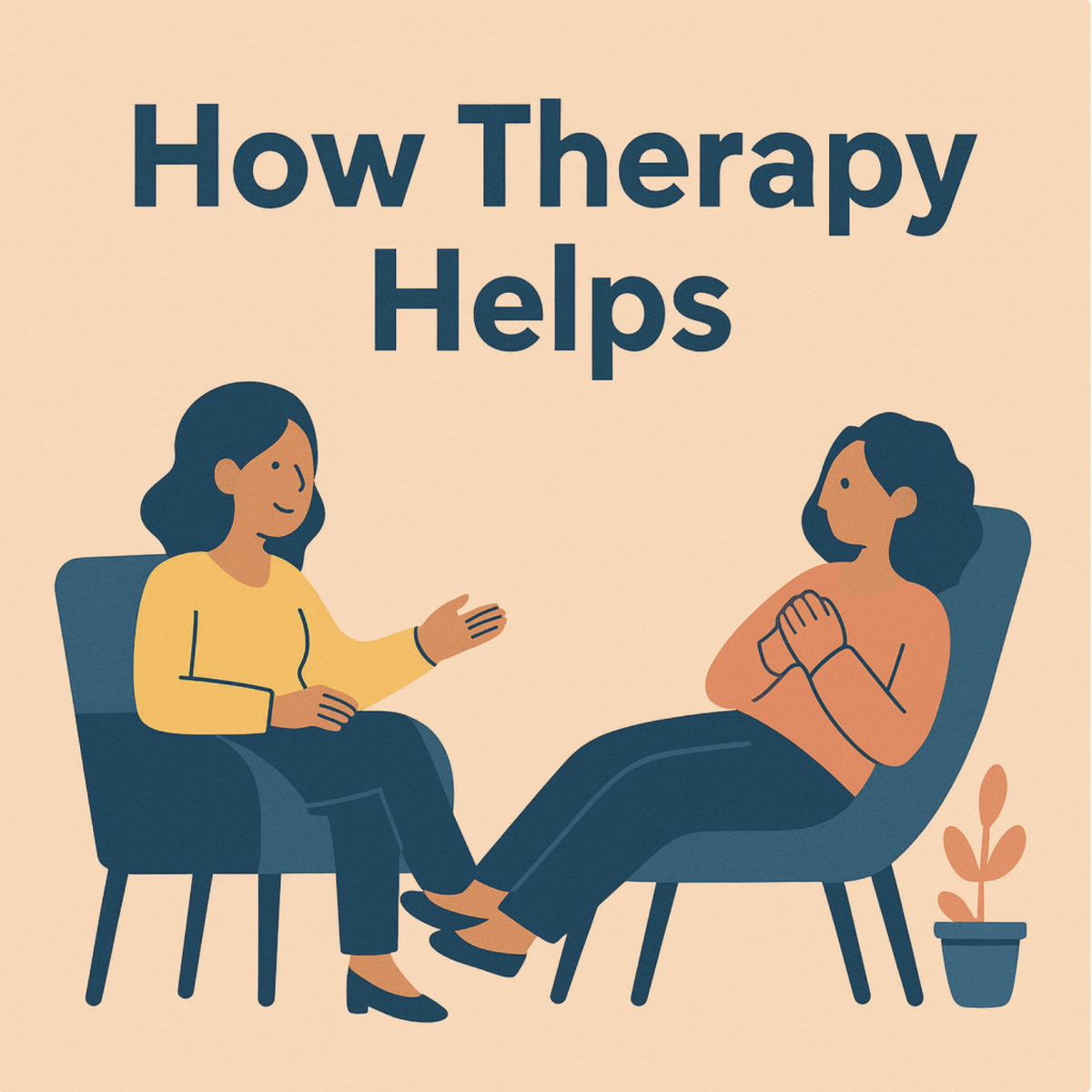
How Therapy Helps: Safe Space, Support, and Self-Esteem

Therapy has become an essential resource for many people seeking emotional clarity, mental wellness, and personal growth. While the experience looks different for everyone, most people benefit in three empowering ways: through having a safe space, receiving support, and improving their self-esteem.


1. Therapy Provides a Safe Space

One of the most important aspects of therapy is the sense of safety it provides.
In the outside world, many people feel pressured to “have it all together,” hide their emotions, or navigate their struggles alone. Therapy is different.

A therapeutic space is non-judgmental, confidential, and designed for honesty.
You are free to express your fears, frustrations, hopes, and confusions without worrying about criticism. When you feel safe, you can explore deeper layers of your emotional experience — and that’s where healing begins.


2. Therapy Offers Consistent Support

Life can be overwhelming, and trying to handle everything by yourself can feel impossible. Therapy gives you a trained professional who listens, understands, and guides you.

A therapist provides:

  • Emotional support

  • Practical coping tools

  • New perspectives

  • Structure and accountability

This support helps you navigate difficult emotions, life transitions, relationship problems, and long-standing patterns. You don’t have to face challenges alone — therapy gives you someone in your corner.


3. Therapy Helps Improve Self-Esteem

Many people enter therapy feeling unworthy, stuck, or disconnected from themselves. Through the therapeutic process, you begin to understand your own story with more compassion.

Therapy helps you:

  • Identify limiting beliefs

  • Recognize your strengths

  • Develop healthier internal dialogue

  • Build confidence

  • Celebrate progress instead of perfection

Over time, these insights create a stronger sense of self-worth and a healthier relationship with yourself.


Final Thoughts

Therapy is not just for moments of crisis — it’s a powerful tool for ongoing self-discovery and emotional wellness. Whether you’re working through something painful or simply want to grow, therapy offers a safe space, solid support, and the chance to reconnect with your self-esteem.

Healing is a journey — and therapy can help you walk it with greater clarity, courage, and compassion.

@DrYazHeadley

Categories
Change

Therapy isn’t about fixing you….

Therapy not about fixing

There is a common misunderstanding that therapy is for people who are broken. But therapy isn’t a repair shop — it’s a safe space to discover yourself with more compassion, clarity, and understanding.

You don’t go to therapy because something is wrong with you.
You go because something within you deserves deeper care.

Our past experiences shape the way we love, trust, react, and protect ourselves. Sometimes those patterns make life harder than it needs to be. Therapy helps you understand those patterns — not so you can judge them, but so you can heal the parts of you that created them.

In relationships, therapy can:
• Help you communicate what you truly feel
• Support you in setting healthy boundaries
• Teach you to recognize red flags and green flags
• Build trust where fear once lived
• Heal attachment wounds that affect intimacy

Therapy is an act of self-love.

It’s saying:
“I deserve to understand myself.”
“I deserve to be heard wholly.”
“I deserve a life that doesn’t feel like survival.”

It honours all the versions of you — the strong one, the hurting one, the one who feels lost sometimes. And it gently guides those parts home to each other.

Healing isn’t about becoming someone new — it’s about remembering who you were before the world taught you to forget.

Therapy doesn’t change your worth — it changes your awareness of it. It helps you move past the pain to live in the now.


Dr.Yaz Headley

Categories
Change

Healing Begins the moment you stop running from yourself.

We can distract ourselves for a long time — with work, relationships, routines, social media, or pretending everything is okay. But healing doesn’t begin in the spaces where we’re avoiding our truth. It begins in the moment we pause long enough to feel it.

Running from yourself isn’t failure — it’s protection. At some point in your life, your mind learned that avoiding pain was the safest way to survive. But now, that same instinct might be standing between you and the peace you deserve.

Healing asks something brave:
To turn toward the parts of yourself you’ve been trying to outrun.

It asks you to look at your wounds with honesty…
To listen to your needs with compassion…
To allow space for your feelings without shame…

In relationships, running can look like:
• Pulling away when someone gets close
• Laughing off hurt instead of speaking up
• Pretending you’re fine when you’re overwhelmed
• Accepting less love than you deserve

Stopping doesn’t mean drowning in emotions — it means acknowledging them.

You can move slowly. You can take breaks. You can ask for support. Healing isn’t about confrontation — it’s about connection. It’s about learning to sit with yourself and say:

“I see you.”
“I hear you.”
“You’re allowed to feel this.”
“And we will get through it together.”

When you turn toward your inner world instead of away from it, something shifts. You stop surviving and start recovering. You stop hiding and start becoming.

Healing doesn’t demand perfection — only presence.
You don’t have to have all the answers.
You just have to stop running.

Your heart has been chasing safety for a long time.
Let healing catch up.

@DrYazHeadley

Categories
Change

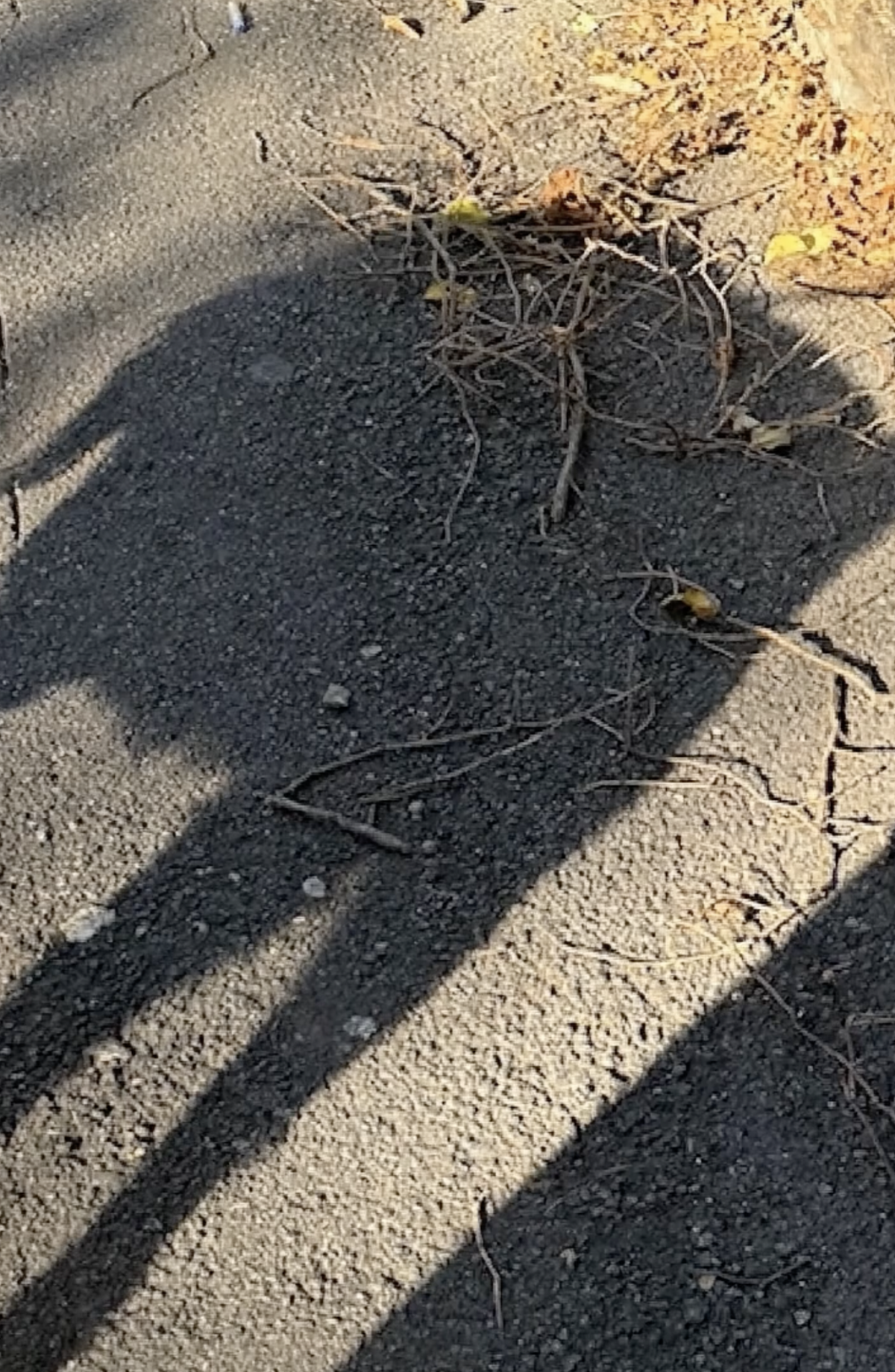
When the shadow moves – Navigating the Shifting Energies

When the shadow moves – Navigating the Shifting Energies: Finding Stability in Turbulent Times

We’re living through a period of immense profound transformation. The energies surrounding us are shifting in ways that feel both dramatic and disorienting, and if you’ve been feeling tested lately, you’re not alone. These are challenging times that seem to demand something from us that we’re not always sure we can give.

The Confusion of Uncertain Times

One of the most difficult aspects of periods like these is the uncertainty they bring. It’s hard to know what to do. It’s hard to know how to be. We will keep changing through all of this. The ground beneath our feet feels less stable, and the compass we’ve always relied on to guide our decisions seems to spin without settling on true north.

You might find yourself asking questions you never thought you’d need to ask: How should I respond to this situation? What’s the right way forward? Who am I supposed to be right now?

These questions aren’t signs of weakness—they’re natural responses to genuine upheaval.

When the Inner World Surfaces

Perhaps one of the most surprising aspects of these testing times is how they can bring out parts of ourselves we didn’t know existed, or that we’ve kept carefully tucked away. If you’ve always been a quiet creature—someone who keeps to themselves, who processes internally, who prefers peace to confrontation—you might be shocked to find your inner world suddenly demanding to be expressed.

Emotions you’ve never felt with such intensity might be rising to the surface. Thoughts you’ve never voiced might be pressing against your lips. Reactions that feel foreign to your nature might be emerging without warning.

This isn’t a failure of character. It’s simply what happens when powerful energies move through our lives. They stir up everything—the settled and the unsettled, the known and the unknown, the comfortable and the uncomfortable.

The Anchor of Stability

So what do we do when everything feels like it’s in flux? How do we navigate when the map keeps changing?

The answer, perhaps surprisingly, is to stay stable. To find your center and hold it, even when everything around you is swirling.

Stability doesn’t mean rigidity. It doesn’t mean refusing to grow or change. It means finding that core within yourself that remains steady regardless of external circumstances. It means being the eye of the storm rather than getting caught up in the winds.

When you feel yourself being pulled in multiple directions, when the energies feel overwhelming, when you don’t know what to do—return to stability. Ground yourself. Breathe. Remember who you are at your core.

Keep It Simple

In times of complexity and confusion, simplicity becomes a radical act.

We often make things harder than they need to be, especially when we’re stressed or uncertain. We overthink. We overcomplicate. We add layers of worry and analysis that only serve to cloud our vision further.

Instead, keep it simple.

What’s the most straightforward path forward? What’s the most basic, fundamental thing you need to do right now? What would this situation look like if you stripped away all the unnecessary complexity?

Simple doesn’t mean simplistic. It means clear. It means essential. It means focusing on what truly matters and letting go of what doesn’t.

Keep Calm

Easier said than done, right? When the energies are intense and everything feels like it’s testing you, calmness can seem like an impossible goal.

But calmness isn’t about never feeling stressed or worried. It’s about not letting those feelings control you. It’s about maintaining your equilibrium even when you’re experiencing difficult emotions.

Keeping calm means:

  • Taking deep breaths when you feel overwhelmed
  • Pausing before reacting
  • Choosing your responses rather than being driven by impulse
  • Recognizing that this moment, however challenging, will pass
  • Trusting that you have the inner resources to handle what comes

Calmness is a practice, not a permanent state. You’ll lose it and find it again, lose it and find it again. That’s normal. What matters is that you keep returning to it.

Do Kind Things and Be Kind

Here’s where we find perhaps the most powerful guidance for navigating these shifting energies: kindness.

When you don’t know what to do, do something kind.

When you’re not sure how to be, be kind.

Kindness is never the wrong choice. It’s never wasted. It’s never inappropriate.

Do kind things—for others, yes, but also for yourself. Small acts of kindness ripple outward in ways we can’t always see or measure. They change the energy around us. They shift the atmosphere. They create pockets of light in dark times.

Be kind in your thoughts. Be kind in your words. Be kind in your actions. Be kind in your judgments of yourself and others.

This doesn’t mean being a doormat or allowing yourself to be mistreated. Kindness includes healthy boundaries and self-respect. But it means approaching life with a fundamental orientation toward compassion rather than harshness, toward understanding rather than judgment, toward connection rather than separation.

Moving Forward

These testing times won’t last forever, though it might feel like they will. The energies will shift again, as they always do. What matters is how we move through this period—what we learn, how we grow, and who we become in the process.

Stay stable. Keep it simple. Keep calm. Do kind things and be kind.

These aren’t just platitudes or empty advice. They’re practical tools for navigating uncertainty. They’re anchors in the storm. They’re ways of being that serve us regardless of what’s happening around us.

You don’t have to have all the answers. You don’t have to know exactly what to do or how to be. You just have to keep coming back to these fundamentals, again and again, as many times as it takes.

The quiet creature you’ve always been is still there. The inner world that’s emerging doesn’t negate that—it’s simply adding new dimensions to who you are. You’re not losing yourself in these changing energies; you’re discovering more of yourself.

And through it all, remember: stability, simplicity, calmness, and kindness. These are your guideposts. These are your way through.

@Dr.YazHeadley