Categories
Choices

The Metaphysics of Kindness

The Metaphysics of Kindness

Kindness is often described as a simple moral choice, but on a metaphysical level, it’s an energetic act with real influence. Every thought, emotion, and intention carries a frequency — and kindness resonates at one of the highest. When we choose compassion, we’re not just “being nice.” We’re shifting energy.

How Kindness Affects Others

A genuine act of kindness softens a person’s inner world. It signals safety, opens the heart space, and raises their overall vibration. Even small gestures — a patient tone, a supportive word, a moment of empathy — create a subtle but measurable energetic ripple. This is why kindness spreads so easily: it gives others more energy, clarity, and emotional room to pay it forward.

How Kindness Affects Us

The metaphysical effect on the giver is just as powerful. Being kind expands our energetic field, strengthens our presence, and calms the nervous system. It aligns us with higher consciousness by pulling us out of fear, ego, or contraction. In essence, kindness elevates our internal frequency and returns to us in the form of emotional clarity, peace, and connection.

Kindness as Everyday Alchemy

At its core, kindness is a form of quiet alchemy — transforming interactions, shifting atmospheres, and raising the collective energy around us. It bridges the physical and the energetic, showing us that small choices create big ripples.

Kindness isn’t just a virtue. It’s a metaphysical tool.
And in a world that often feels chaotic, it may be the most accessible form of transformation we have.

Dr.Yaz Headley
Categories
Change

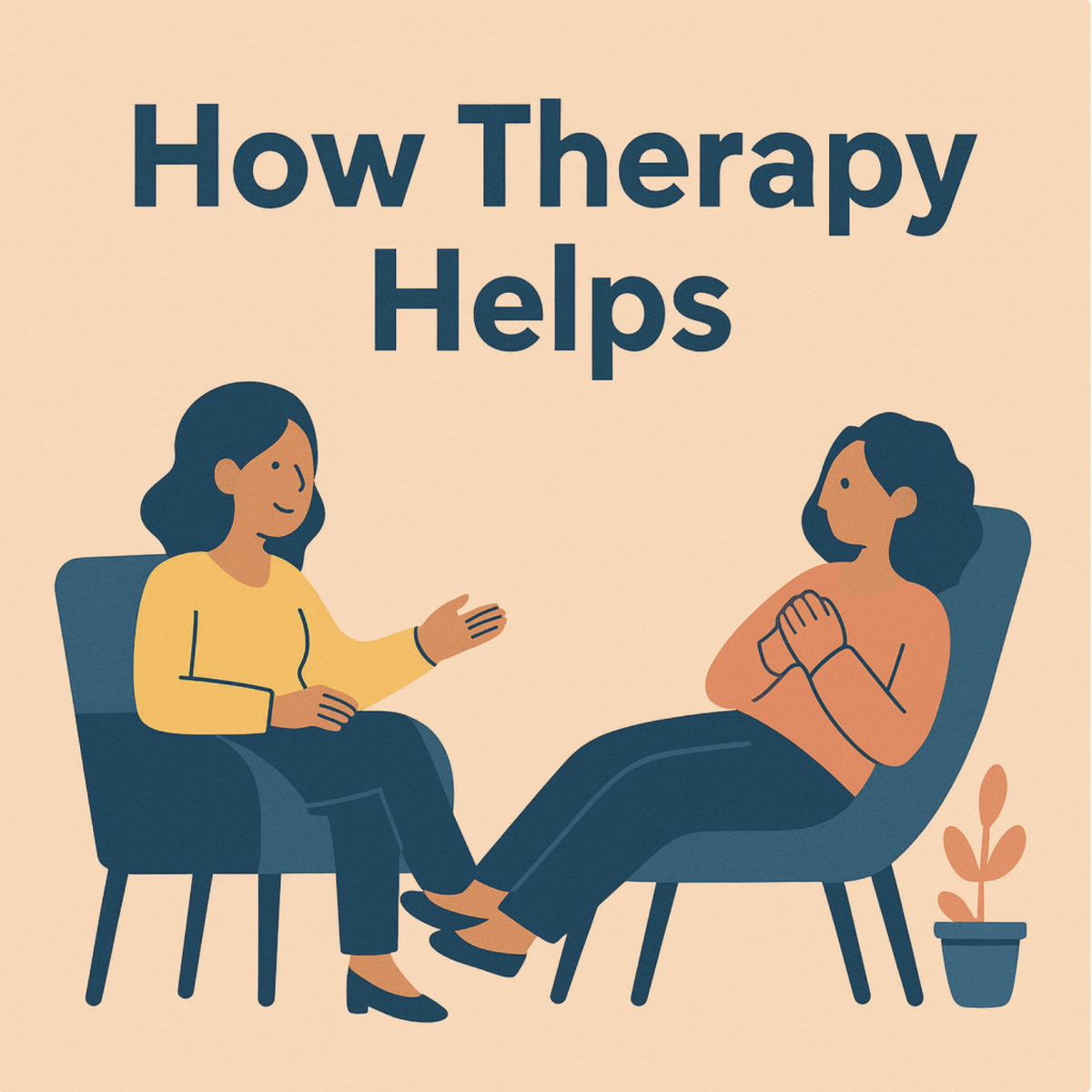
How Therapy Helps

How Therapy Helps: Safe Space, Support, and Self-Esteem

Therapy has become an essential resource for many people seeking emotional clarity, mental wellness, and personal growth. While the experience looks different for everyone, most people benefit in three empowering ways: through having a safe space, receiving support, and improving their self-esteem.


1. Therapy Provides a Safe Space

One of the most important aspects of therapy is the sense of safety it provides.
In the outside world, many people feel pressured to “have it all together,” hide their emotions, or navigate their struggles alone. Therapy is different.

A therapeutic space is non-judgmental, confidential, and designed for honesty.
You are free to express your fears, frustrations, hopes, and confusions without worrying about criticism. When you feel safe, you can explore deeper layers of your emotional experience — and that’s where healing begins.


2. Therapy Offers Consistent Support

Life can be overwhelming, and trying to handle everything by yourself can feel impossible. Therapy gives you a trained professional who listens, understands, and guides you.

A therapist provides:

  • Emotional support

  • Practical coping tools

  • New perspectives

  • Structure and accountability

This support helps you navigate difficult emotions, life transitions, relationship problems, and long-standing patterns. You don’t have to face challenges alone — therapy gives you someone in your corner.


3. Therapy Helps Improve Self-Esteem

Many people enter therapy feeling unworthy, stuck, or disconnected from themselves. Through the therapeutic process, you begin to understand your own story with more compassion.

Therapy helps you:

  • Identify limiting beliefs

  • Recognize your strengths

  • Develop healthier internal dialogue

  • Build confidence

  • Celebrate progress instead of perfection

Over time, these insights create a stronger sense of self-worth and a healthier relationship with yourself.


Final Thoughts

Therapy is not just for moments of crisis — it’s a powerful tool for ongoing self-discovery and emotional wellness. Whether you’re working through something painful or simply want to grow, therapy offers a safe space, solid support, and the chance to reconnect with your self-esteem.

Healing is a journey — and therapy can help you walk it with greater clarity, courage, and compassion.

@DrYazHeadley

Categories
Change

Therapy isn’t about fixing you….

Therapy not about fixing

There is a common misunderstanding that therapy is for people who are broken. But therapy isn’t a repair shop — it’s a safe space to discover yourself with more compassion, clarity, and understanding.

You don’t go to therapy because something is wrong with you.
You go because something within you deserves deeper care.

Our past experiences shape the way we love, trust, react, and protect ourselves. Sometimes those patterns make life harder than it needs to be. Therapy helps you understand those patterns — not so you can judge them, but so you can heal the parts of you that created them.

In relationships, therapy can:
• Help you communicate what you truly feel
• Support you in setting healthy boundaries
• Teach you to recognize red flags and green flags
• Build trust where fear once lived
• Heal attachment wounds that affect intimacy

Therapy is an act of self-love.

It’s saying:
“I deserve to understand myself.”
“I deserve to be heard wholly.”
“I deserve a life that doesn’t feel like survival.”

It honours all the versions of you — the strong one, the hurting one, the one who feels lost sometimes. And it gently guides those parts home to each other.

Healing isn’t about becoming someone new — it’s about remembering who you were before the world taught you to forget.

Therapy doesn’t change your worth — it changes your awareness of it. It helps you move past the pain to live in the now.


Dr.Yaz Headley

Categories
Change

Healing Begins the moment you stop running from yourself.

We can distract ourselves for a long time — with work, relationships, routines, social media, or pretending everything is okay. But healing doesn’t begin in the spaces where we’re avoiding our truth. It begins in the moment we pause long enough to feel it.

Running from yourself isn’t failure — it’s protection. At some point in your life, your mind learned that avoiding pain was the safest way to survive. But now, that same instinct might be standing between you and the peace you deserve.

Healing asks something brave:
To turn toward the parts of yourself you’ve been trying to outrun.

It asks you to look at your wounds with honesty…
To listen to your needs with compassion…
To allow space for your feelings without shame…

In relationships, running can look like:
• Pulling away when someone gets close
• Laughing off hurt instead of speaking up
• Pretending you’re fine when you’re overwhelmed
• Accepting less love than you deserve

Stopping doesn’t mean drowning in emotions — it means acknowledging them.

You can move slowly. You can take breaks. You can ask for support. Healing isn’t about confrontation — it’s about connection. It’s about learning to sit with yourself and say:

“I see you.”
“I hear you.”
“You’re allowed to feel this.”
“And we will get through it together.”

When you turn toward your inner world instead of away from it, something shifts. You stop surviving and start recovering. You stop hiding and start becoming.

Healing doesn’t demand perfection — only presence.
You don’t have to have all the answers.
You just have to stop running.

Your heart has been chasing safety for a long time.
Let healing catch up.

@DrYazHeadley